
Louisiana Motorcycle Accident Attorney
40+ Years
of Combined Experience
5.0 Google Rating
with over 800+ Reviews
Over $250M
Won for Clients That Have Become Family
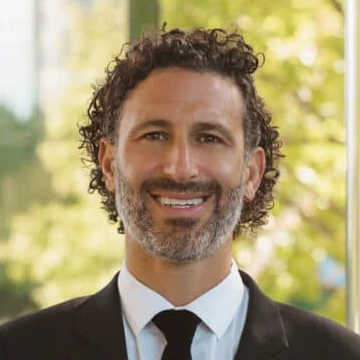
Content Reviewed By:
Date Last Updated: January 18, 2026
Motorcycle crashes on Louisiana roads often leave devastating physical, emotional, and financial impacts on riders and their families. At Shamieh Law, our experienced and compassionate motorcycle accident lawyers fight to help victims recover full and fair compensation. With over $250 million secured for our clients and their families, we provide the guidance, support, and advocacy you need. Start with a free and confidential case review today.
Why Hire Shamieh Law For Your Motorcycle Accident Case?
At Shamieh Law, we are dedicated to providing every motorcycle accident victim in Louisiana with strong legal representation and personalized support. Guided by our “Winning With Awareness” approach, we have a proven track record of pursuing full and fair compensation while upholding the highest ethical standards. Success for us means not only achieving favorable results but doing so with honesty and care.
We understand the challenges that come after a motorcycle accident. Our attorneys handle every aspect of your case, from negotiating with insurance companies to gathering essential evidence, allowing you to focus on healing. We work on a contingency basis, so you owe nothing unless we recover compensation on your behalf. We also provide resources to help you cope with the stress and emotional impact following the accident.
We Are Proud to Serve Louisiana Motorcycle Accident Victims Statewide
From Lake Charles, our dedicated team provides support to motorcycle accident victims throughout the state of Louisiana. We assist clients in these cities and surrounding areas:
- Baton Rouge
- Bossier City
- Kenner
- Lafayette
- Lake Charles
- Metairie
- Monroe
- New Orleans
- Shreveport
What Damages Are Recoverable for a Motorcycle Accident?
The motorcycle accident attorneys at Shamieh Law aim to recover compensation, also called damages, so that you, as a victim or family member, can be “whole” again in the eyes of the law.
Compensation typically covers financial losses related to the motorcycle crash, including the following:
- Medical expenses: Both now and in the future, including hospitalizations, surgeries, ongoing treatments, and therapies
- Lost wages: When you miss work due to your injuries
- Lost future income: When you cannot continue with your chosen profession
- Pain and suffering: For the physical pain, emotional distress, and diminished quality of life caused by your injuries
- Loss of consortium: When a loved one has been killed, or their quality of life has been so diminished that your relationship with them has suffered
- Punitive damages: Meant to punish the wrongdoer for their actions
If someone you love has died from motorcycle accident injuries, our hearts go out to you. We can help you file a wrongful death lawsuit to help your family heal and move forward with the financial support needed.
Who Is Liable in a Louisiana Motorcycle Accident?
Louisiana law holds negligent parties responsible for a motorcycle accident, even if they were not directly involved in the collision. Under comparative fault, several people or entities may share blame when their actions or inactions contributed to the crash.
- Another driver: A collision can result from careless, distracted, or impaired driving.
- The motorcyclist: Fault may be shared if traffic laws are ignored or reckless behavior occurs.
- Trucking or delivery companies: Liability can arise when a company driver is involved in a crash.
- Government agencies: Unsafe or poorly maintained roads can create legal responsibility.
- Manufacturers: Defective or faulty parts that contribute to an accident can make a company liable.
- Bars or restaurants: Establishments may face limited liability if they serve alcohol to a visibly intoxicated person who then causes a crash.
- Construction contractors: Hazardous conditions caused by construction work may be a contributing factor to the crash.
Louisiana Motorcycle Accident Laws You Should Know
Motorcycle accidents can have severe physical and financial consequences, so it’s essential for riders and passengers to be familiar with Louisiana’s motorcycle laws. Understanding helmet requirements, filing deadlines, and how fault is assigned can help protect your safety and safeguard your right to pursue compensation after an accident.
Louisiana’s Helmet Law
In Louisiana, it is illegal to operate or ride a motorcycle without a properly secured motorcycle helmet. This law applies to riders of all ages. Helmets must include a lining, padding, a visor, and a chin strap. Riding without a helmet increases the risk of serious injury and can result in a $50 fine.
Statute of Limitations for Motorcycle Accident Lawsuits in Louisiana
Louisiana’s statute of limitations, or prescriptive period, typically allows two years from the date of a motorcycle accident to file a lawsuit. For minors or individuals who are mentally incapacitated, the filing period may be extended until they reach legal age or can provide full consent.
Missing this deadline can prevent you from seeking compensation for medical bills, lost wages, and other losses. To protect your rights, it’s important to act before the motorcycle accident filing period expires.
Comparative Fault in Motorcycle Accidents
In January 2026, Louisiana shifted to a modified comparative fault system that bars recovery for anyone found 51 percent or more at fault for an accident. Under this system, injured individuals may only recover if they are 50 percent or less responsible, and their compensation is reduced in proportion to their share of fault. This change replaced the state’s former pure comparative fault rule.
For example, if a motorcycle accident victim is found 30 percent at fault, they can still recover damages because their fault is under the 51 percent limit. However, compensation will be reduced by 30 percent. So, if their damages total $100,000, they would receive $70,000 after the 30 percent reduction.
Common Motorcycle Accident Injuries
Motorcycle accidents can have life-changing consequences, including serious injuries or death, leaving families with emotional trauma and significant medical expenses. In some cases, surviving family members may file a wrongful death lawsuit. The Louisiana Highway Safety Commission reports that 97 motorcyclists died and 1,229 were injured on Louisiana roadways in 2023.
Common motorcycle accident injuries include:
- Head and neck injuries
- Injuries to the legs and feet
- Road rash and burns
- Concussion
- Depression
- Traumatic brain injuries (TBI)
- Spinal cord injuries
- Muscle damage
- Biker’s arm
Causes of Motorcycle Accidents
Motorcycle accidents happen when other drivers fail to notice a motorcycle or misjudge its speed and distance. Research shows that the human brain struggles to perceive small, nearby objects compared with larger, distant ones, which helps explain why many crashes occur during lane changes. Other common causes of motorcycle accidents include:
- Driver error
- Faulty equipment
- Speed
- Distraction
- Dangerous conditions
Shamieh Law is dedicated to helping motorcycle accident victims throughout Louisiana get the support and guidance they need. Contact us today for a free case evaluation to learn how we can assist you.
If You Have Been Injured in a Motorcycle Accident in Louisiana, Contact Shamieh Law
Motorcycle accidents often result in serious injuries, and insurance companies may try to place blame on the rider to limit compensation. At Shamieh Law, our motorcycle accident lawyers are dedicated to guiding you through every step of the legal process and fighting for the results you deserve. We draw on years of experience handling cases like yours to help you pursue fair compensation and justice.
We handle claims on a contingency basis, so there are no upfront costs. You only pay if we successfully recover compensation. Contact us online or call 337-435-8071 today for a free consultation. We are here to help and are ready when you need us.
Frequently Asked Questions
What Should I Do if the At-Fault Driver’s Insurance Denies My Claim?
When an at-fault driver’s insurer denies your claim, review the denial letter carefully to see why. Collect more evidence and submit an appeal. If the denial seems unjustified, a motorcycle accident lawyer can assist with the appeal or take legal action on your behalf.
Can I Still Recover Compensation if I Wasn’t Wearing a Helmet?
You may still be able to receive compensation even if you were not wearing a helmet. However, insurance companies may argue that your injuries were worsened by not wearing one and may try to assign more fault to you to reduce their payout. The amount of fault attributed to you could limit or prevent your ability to receive damages.
How Long Does a Motorcycle Accident Case Take?
Motorcycle accident cases can take anywhere from a few months to several years to resolve. The timeline depends on the complexity of the case and the seriousness of the injuries. Cases may be delayed further if parties cannot agree on a settlement and the case goes to trial.
Should I Sue After a Motorcycle Accident?
Whether to pursue a lawsuit after a motorcycle accident depends on the specific circumstances. If another driver or party caused the accident through negligence, taking legal action may be necessary when you have suffered injuries, emotional distress, or financial losses. Our motorcycle accident lawyers can review your case and help you understand your legal options.
What Is a Motorcycle Accident Lawsuit?
A motorcycle accident lawsuit is a legal dispute when one party alleges that another party caused a crash through negligence or wrongful actions. The injured person may seek financial recovery for medical costs, lost wages, pain and suffering, emotional distress, and other impacts resulting from the accident.
What Types of Damages Can I Recover in a Motorcycle Accident Lawsuit?
Depending on the circumstances of your accident and injuries, you may qualify for several types of damages. Economic damages often include medical bills, lost income, and property damage. Non-economic damages can include pain and suffering, emotional distress, mental anguish, and loss of companionship or support.
