
Dallas Waymo Accident Lawyer
Nationally Recognized
and Award Winning Lawyers Since 2014
5.0 Google Rating
with over 900+ Reviews
Over $300M
Won for Clients That Have Become Family
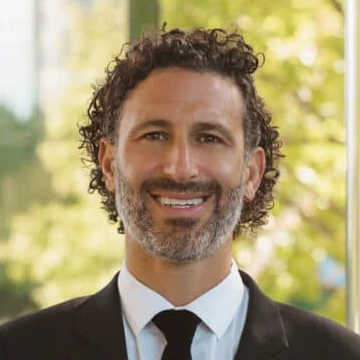
Content Reviewed By:
Date Last Updated: September 4, 2026
The launch of Waymo’s robotaxis on February 24, 2026, across Dallas and other parts of Texas marked a new era of transportation in the city. However, autonomous vehicles introduce new risks, from software glitches to sensor failures, that can endanger drivers and pedestrians.
Navigating the aftermath of a Waymo crash can be overwhelming, leaving injured individuals unsure who is liable for their losses. If you have been injured in a Waymo vehicle crash, our skilled Dallas Waymo accident lawyers are here to answer your questions, protect your rights, and support you every step of the way. Call 469-813-7332 or contact us online for a free consultation today.
How Self-Driving Car Accidents Are Different From Traditional Crashes
Self-driving car accident claims can be very different from standard personal injury cases in many ways due to the following factors:
- AI and sensors: Autonomous vehicles, such as Waymo robotaxis, fully rely on AI, cameras, and sensors to navigate. When any of these systems fail, accidents can happen.
- Liability: While traditional car accident claims typically hinge on human error, autonomous vehicle collision claims may center on product liability.
- Involvement of multiple parties: In self-driving crashes, liability may not rest with a single driver but with multiple parties, including software developers, hardware manufacturers, and fleet operators.
- Data and software evidence: While different types of evidence are essential for all car crash claims, vehicle data plays a critical role in self-driving car accident cases, including sensor data and black box diagnostics.
However, autonomous vehicles are not always at fault. Many of these collisions still stem from driver negligence. An experienced self-driving car accident lawyer can review your situation and guide you on how to move forward.
How Does Shamieh Law Handle Self-Driving Car Cases?
Suffering an injury in a collision can be challenging, but even more so when the vehicle that hit you didn’t have a driver. At Shamieh Law, we understand the confusion and stress you’re likely facing and are ready to help. Our legal services include:
- Personalized support: We treat you like family, providing caring support and passionate legal advocacy.
- Technical investigations: Our team partners with top engineering and AI professionals to decode complex sensor data and prove system failures.
- Corporate accountability: We have the skills and resources to stand up to multi-billion-dollar autonomous vehicle companies and their legal teams.
- No upfront fees: We operate strictly on a contingency basis, meaning you pay us nothing unless we secure compensation for your claim.
We get started fast. Unlike other firms, we get to work on your case quickly and use cutting-edge technology to deliver answers quickly.
Who May Be Liable in a Waymo Accident?
Determining fault in a Waymo or robotaxi crash can be challenging because multiple parties can share responsibility for a single collision. Possible liable parties may include:
- Autonomous vehicle companies: As a corporate fleet operator, Waymo may face strict liability for vehicle failures that cause crashes.
- Safety drivers or human operators: If a backup test driver is behind the wheel, they could be held responsible for failing to intervene during a system hazard.
- Vehicle manufacturers and parts suppliers: Automakers may be responsible if mechanical components, such as braking systems or steering columns, physically fail.
- Software developers and technology providers: Programmers could be held accountable for flawed AI algorithms, coding glitches, or sensor blind spots that led to the accident.
- Other negligent drivers on the road: Traditional motorists may be liable if their failure to exercise reasonable care while driving caused the Waymo accident.
What To Do After a Self-Driving Car Accident in Dallas
After a robotaxi collision in Texas, there are steps you can take to help protect your health and legal rights, including:
- Prioritize your health: Seek medical attention right away. Even if you don’t notice any pain or other issues, have a doctor evaluate you as soon as possible. Prompt care can protect your well-being while documenting your injuries.
- Report the collision: Call law enforcement to the scene. A formal police report will document the vehicle’s autonomous status and initial statements from the parties involved.
- Document the scene: If you can, take photos of the robotaxi’s sensors, cameras, and other equipment, as well as any vehicle damage and road conditions.
- Be cautious with statements: Be mindful when speaking with corporate insurance adjusters or signing statements without legal advice.
- Connect with an attorney: Contact an autonomous vehicle accident lawyer in Dallas to discuss your legal options.
Evidence That Can Strengthen Your Waymo Accident Case
Building a strong robotaxi accident claim involves accessing and saving highly technical data before it’s lost. Key evidence unique to these cases includes the following:
- Vehicle logs: Proprietary black box data detailing braking times, steering inputs, and system speeds
- Sensor records: Saved recordings from the vehicle’s onboard cameras, radar, and LiDAR imaging systems
- Performance logs: Records showing prior software glitches or other errors
- Expert witness testimony: Technical explanations from AI developers and autonomous system engineers
To help build your case, you can bring any accident details to your initial consultation, such as photos of vehicle damage, pictures of the robotaxi’s sensor equipment, copies of the police report, and your initial medical evaluation records.
Navigating these claims presents unique challenges, from untangling liability between multiple parties to accessing heavily guarded proprietary technology data. Shamieh Law has the technical resources and dedication to build these complex cases and pursue the compensation you’re entitled to.
Compensation Available in Waymo Accident Claims
If you have been injured in a Waymo crash in Dallas, you can seek compensation for all the ways your life has been impacted by the accident, including economic and non-economic damages.
Economic damages are financial losses connected to the crash, such as:
- Medical expenses
- Cost of future medical care
- Lost wages
- Loss of future earnings capacity
- Repair or replacement of damaged property
Non-economic damages are the intangible or subjective ways the accident has affected you, including:
- Pain and suffering
- Emotional distress
- Permanent scarring or disfigurement
- Loss of enjoyment of life
Families who lost a loved one in a Waymo accident may also be eligible to claim wrongful death damages. While nothing can change what happened, grieving families can recover compensation for funeral expenses, loss of support, and other hardships caused by their loss.
Common Causes of Self-Driving Car Accidents
While autonomous vehicles are designed to eliminate human error, they may also introduce new technical hazards. Robotaxis depend on synchronization between complex hardware and software, and a single glitch can have serious consequences.
Errors that can cause autonomous vehicle collisions include:
- Sensor and camera malfunctions: Dirt, severe weather, or hardware defects can affect radar and camera systems, preventing the vehicle from detecting obstacles.
- Software errors: Algorithmic bugs, system freezes, and programming flaws can cause a vehicle to misinterpret traffic patterns or make unsafe maneuvers.
- Inability to interpret road conditions: AI systems may struggle to safely navigate unmapped construction zones, faded lane markings, or sudden detours.
- Human override and misuse: When a human driver or remote fleet operator fails to intervene quickly enough during a system failure, a crash may result.
- Driver unpredictability: Autonomous vehicles may fail to predict or adapt to sudden lane changes and erratic driving behaviors of human motorists.
Types of Accidents Involving Autonomous Vehicles
Autonomous vehicles share the road with diverse traffic, making them susceptible to many of the same collision types as traditional cars. Types of accidents that may involve robotaxis like Waymo include:
- Pedestrian and cyclist collisions: System issues or delayed AI detection can cause self-driving vehicles to collide with vulnerable pedestrians or cyclists.
- Intersection and turning accidents: Misjudged gaps in oncoming traffic can result in dangerous T-bone or left-turn collisions.
- Rear-end collisions: Robotaxis may struggle with unpredictable or erratic braking, which can lead to rear-end accidents.
- Highway and high-speed crashes: Misread merges or sensor failures at high speeds can lead to multi-vehicle pileups.
- Passenger injuries: When a driverless vehicle crashes, the passengers riding inside can suffer serious injuries due to structural impacts or failed deployment of safety features.
What is the Statute of Limitations for Car Accident Claims in Texas?
In Texas, you generally have two years from the date of the crash to file a car accident claim. While two years may sound like a long time, it’s important to act quickly with autonomous vehicle claims. Corporate fleets routinely overwrite black box data, vehicle logs, and sensor recordings, potentially losing crucial evidence. Also, missing the two-year deadline means forfeiting your right to recover compensation.
Speak with a lawyer as soon as possible who can help collect digital evidence, stay on top of deadlines, and guide you on what to do next.
Texas Autonomous Vehicle Regulations
Senate Bill 2807, a Texas law enacted in 2025, established strict regulatory oversight for commercial robotaxis through the Texas Department of Motor Vehicles. Effective May 28, 2026, all commercial autonomous operators must hold an active state authorization.
To operate, robotaxi companies must certify that their vehicles comply with Texas traffic laws, feature built-in recording devices, can safely operate in a minimal-risk condition during system failures, and carry mandatory liability insurance.
The regulatory framework established under Senate Bill 2807 can bolster accident claims. Since safety records and operational violations are strictly tracked, the information may provide evidence to hold tech corporations legally accountable.
Speak With a Dallas Waymo Self-Driving Car Accident Lawyer Today
Navigating a robotaxi crash is incredibly complex, and waiting too long to take action could mean losing vital evidence. If you have been injured in a Waymo accident, Shamieh Law’s self-driving car accident attorneys understand the challenges you’re facing and are ready to help when you need us. Call 469-813-7332 or contact us online for a free, no-obligation consultation.
Frequently Asked Questions
Could I Be Considered Liable if the Waymo I Am in Hits Another Vehicle?
In Texas, you generally cannot be held liable if your Waymo hits another vehicle. The responsibility for safe operation lies with Waymo, the autonomous vehicle technology provider, rather than the passenger.
Can I Sue a Company Like Waymo?
Yes, you can sue an autonomous vehicle company like Waymo in Texas if its vehicle’s technology fails, a defect causes an accident, or its operations result in injury or property damage. Consider working with an experienced attorney to help you navigate this process.
How Is Fault Determined in Autonomous Vehicle Cases?
To prove fault in an autonomous vehicle case, you typically must show whether the accident resulted from a software or hardware defect or from human error by the driver of another vehicle. Consult a car accident lawyer to learn more about fault in autonomous vehicle claims and what your legal options may be.
My family really enjoyed working with Ramez at Shamieh Law! He is very inviting and listens to what we had to say and actually follows up quickly. Thank you Ramez! I am happy to recommend you to my friends and family!
- Richard Denham
Ramez is a stud lawyer with vast legal knowledge and a passion for fighting for his clients and their interests. Ramez has a big heart and will go above and beyond for his clients in the court room and makes it his mission of making people’s lives better. I have referred multiple friends to Ramez…
- Andrew Carbery
Ramez and the whole “Family” because that’s exactly how I felt like family where great!! They took care of me and my kids and made sure we where ok through he whole process I will definitely recommend Shamieh Law wasn’t disappointed at all from beginning to the End.. thank you all again
- Ashly Woods